

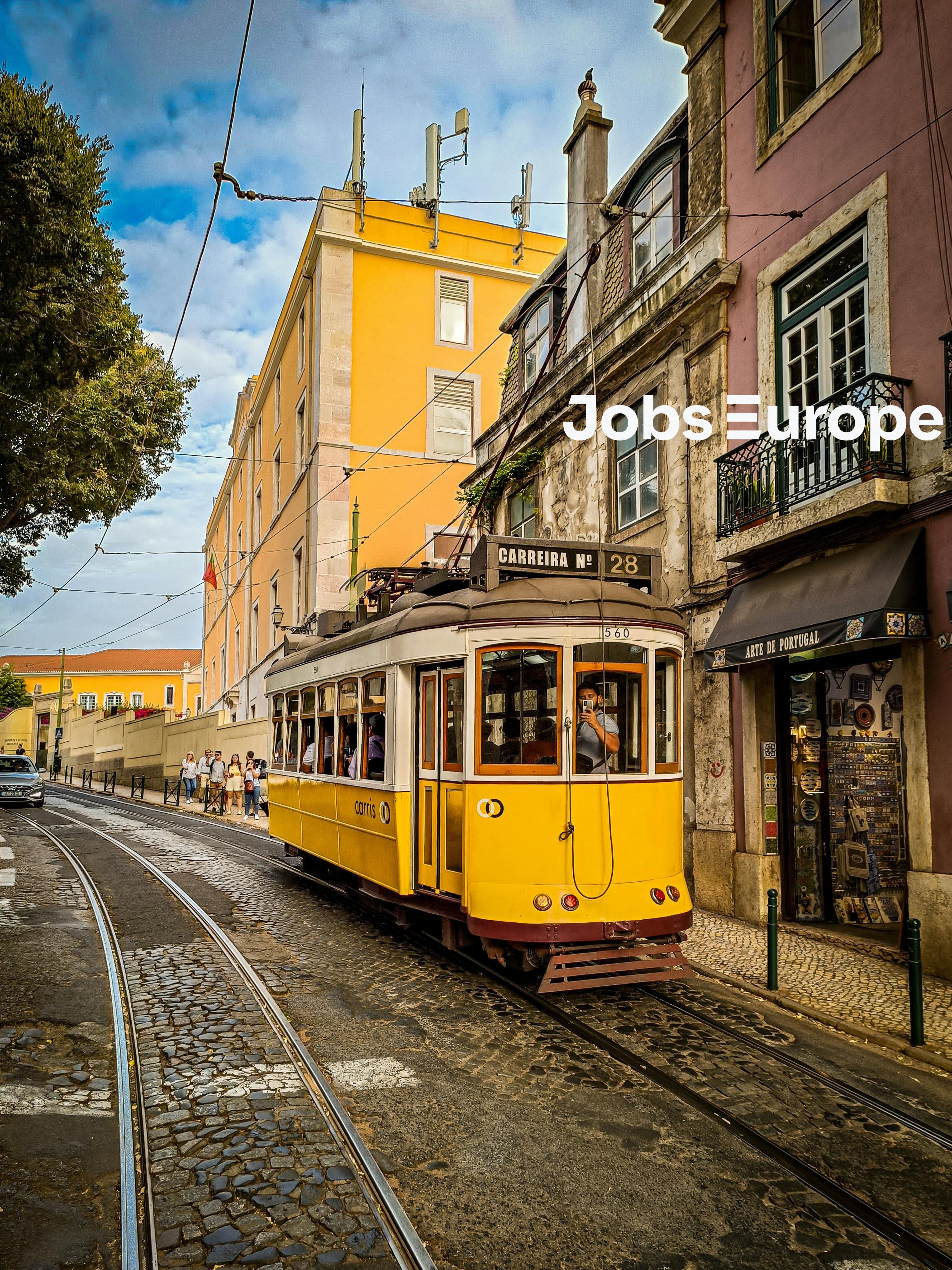
Jobs Europe banner
Jobs Europe logo

Jobs Europe

Human Resources

1 - 10 Employees

About Jobs Europe

Description

We are a leading organization, dedicated to delivering innovative solutions worldwide. Our commitment to excellence and collaboration helps businesses thrive, creating long-lasting value in diverse industries. Join us and experience the difference.

Our mission is to empower businesses through cutting-edge technology and personalized services. With a focus on quality and customer satisfaction, we aim to drive success for our clients and build strong, sustainable partnerships.

Industry

Human Resources

Company Size

1 - 10 employees

Company Articles

Showing 1 to 3 of 29 articles

Country Guides

Moving from Germany to Portugal for Work (2026 Guide) Learn how to relocate from Germany to Portugal for work, including jobs, salaries, housing, taxes, and registration requirements for EU citizens. Portugal has become one of Europe’s most attractive destinations for workers looking for lower living costs, better weather, and a more relaxed lifestyle. For German citizens, relocating to Portugal is relatively straightforward thanks to EU freedom of movement, but there are still important legal, financial, and practical steps to understand before making the move. Whether you are relocating for a career change, remote work, or a better quality of life, this guide covers everything you need to know. Start by exploring Portugal job opportunities or browse our European relocation guides for more country-to-country advice. Can German Citizens Move to Portugal Freely? As both countries are members of the European Union, German citizens have the legal right to live and work in Portugal without needing a visa or work permit. However, there are still administrative requirements to complete. After arriving in Portugal, you will usually need to: Apply for a Portuguese tax number (NIF) Register your residency in Portugal if staying long-term Register for social security if employed Register for healthcare access For official guidance on moving and working in another EU country, visit: Your Europe – Working abroad in the EU For Portuguese administrative procedures: ePortugal Portal How to Find a Job in Portugal Before Moving One of the best ways to make your relocation smoother is to secure work before arriving. Portugal’s job market continues to grow, especially in: Technology Tourism Customer support Shared service centers Startups International sales German-speaking professionals are highly valued in customer support and multilingual service roles, particularly in larger cities. The best cities for job opportunities in Portugal include: Lisbon Porto Braga Germany vs Portugal Salary Comparison Understanding salary expectations is one of the most important parts of planning your move. Germany generally offers higher average salaries than Portugal, but Portugal often has lower living expenses—especially for housing, transport, and dining. Key differences: Germany Higher wages Higher taxes Higher rent Strong employee protections Portugal Lower wages Lower rent Lower everyday costs Better climate and work-life balance Before making your move, compare your expected income with living costs using: Numbeo Cost of Living Calculator Finding Housing in Portugal Portugal’s housing market can be competitive, especially in Lisbon and Porto. Things you should prepare for: 1–2 months deposit Proof of income Employment contract Identification documents Popular housing platforms include: Idealista Portugal, OLX.pt, Imovirtual Smaller cities like Braga can offer significantly lower rents and a quieter lifestyle. Taxes and Healthcare in Portugal If you spend more than 183 days in Portugal during the tax year, you will generally become a Portuguese tax resident. This affects: Income tax obligations Social security contributions Tax reporting requirements Official tax information is available here: Portuguese Tax Authority Healthcare access is generally linked to employment status and residency registration. Learn more here about Healthcare in Portugal for EU Citizens. It’s important to understand your tax and healthcare obligations before relocating. Best Portuguese Cities for Expats Lisbon Best for: Tech jobs Startups International companies Lisbon has become one of Europe’s fastest-growing startup hubs and attracts workers from across the continent. Porto Best for: Lower living costs than Lisbon Growing international businesses Better work-life balance Porto combines city opportunities with a more affordable lifestyle. Braga Best for: Affordable housing Emerging tech opportunities Quieter living Braga is becoming increasingly popular among professionals looking for lower costs. Conclusion Moving from Germany to Portugal can be an excellent choice if you’re looking for a lifestyle upgrade while remaining within the EU labour market. The biggest challenge is often balancing lower salaries with lower living costs. Planning ahead—especially with employment, housing, and taxes—can make your transition much smoother. Frequently Asked Questions Can German citizens work in Portugal without a visa? Yes. As EU citizens, Germans can live and work in Portugal without needing a visa. Do I need a Portuguese NIF? Yes. A Portuguese tax number (NIF) is often required for taxes, renting, and opening a bank account. Is Portugal cheaper than Germany? In many cases, yes—especially for rent, transport, and daily expenses. What are the best cities in Portugal for expats? Popular choices include Lisbon, Porto, and Braga. Can I move first and look for work later? Yes, but securing a job before moving reduces financial pressure and makes finding housing easier. Start your job search in Portugal today on Jobs Europe.

Country Guides

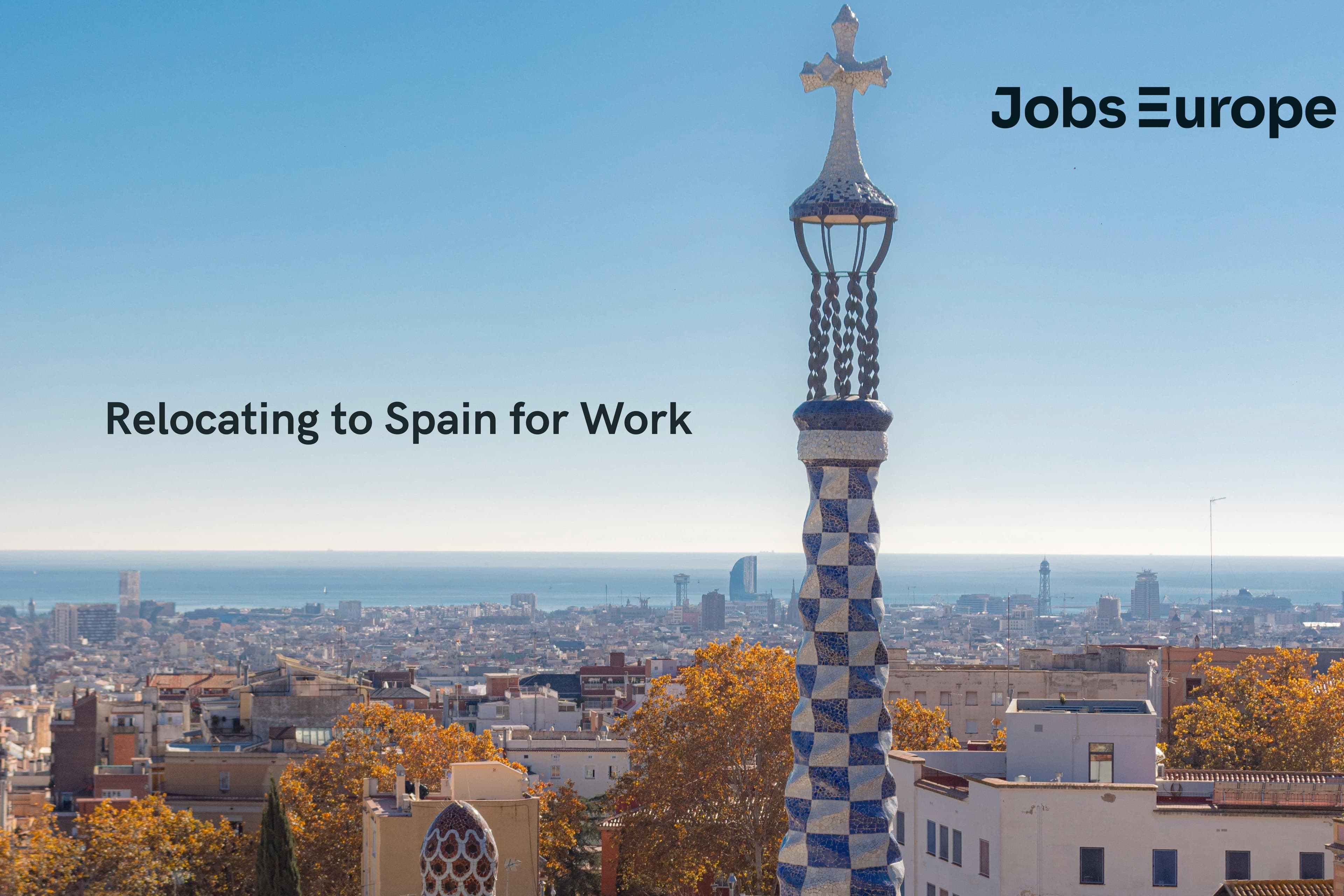
Learn how to relocate from the Netherlands to Spain for work, including jobs, salaries, housing, taxes, and registration requirements in 2026. Relocating from the Netherlands to Spain (video guide) has become an increasingly popular option for workers looking for a better climate, lower living costs, and a different pace of life. For Dutch citizens, moving within the EU is relatively straightforward, but there are still important legal, financial, and practical steps to understand before making the move. Whether you’re moving for a career change, remote work, or a fresh start, this guide covers everything you need to know. Can Dutch Citizens Move to Spain Freely? As both countries are part of the European Union, Dutch citizens have the right to live and work in Spain without needing a work visa. However, there are still several administrative requirements. After arriving in Spain, you’ll usually need to: Register your address (empadronamiento) Apply for a foreign identification number (NIE) Register for social security if employed Register for healthcare access The EU’s official mobility portal explains these rights in detail: Your Europe – Working abroad in the EU For Spanish immigration procedures: Spanish Migration Portal How to Find a Job in Spain Before Moving The smartest move is to secure a job in Spain before relocating. Spain has strong demand in sectors like: Tourism and hospitality Technology Customer support Logistics International sales Dutch speakers are particularly valuable in customer support and tourism-focused roles. Popular cities for finding job opportunities in Spain include: Barcelona Madrid Valencia Málaga Salary Comparison: Netherlands vs Spain One of the biggest factors when relocating is understanding salary expectations. In general: The Netherlands offers higher average salaries than Spain, but Spain often has lower living expenses, especially outside major cities. Key differences: Netherlands Higher wages Higher rent Higher taxes Strong employee protections Spain Lower wages Lower housing costs Lower daily expenses Better weather and lifestyle balance Before moving, compare your expected income with local costs using: Numbeo Cost of Living Calculator Finding Housing in Spain Finding housing in Spain can be competitive, especially in popular cities like Barcelona and Madrid. Things to expect: 1–2 months deposit Proof of income Employment contract Agency fees (sometimes) Popular housing platforms you could use for finding rental properties locally in Spain include: Idealista Spain, Fotocasa, Pisos, Milanuncious or Habitaclia. Smaller cities like Valencia and Málaga can offer better affordability compared to Barcelona. Taxes and Healthcare in Spain If you live in Spain for more than 183 days a year, you’ll generally become a Spanish tax resident. This affects: Income tax Social contributions Reporting obligations Tax rules can vary depending on your work situation. Official Spanish tax information: Spanish Tax Agency Healthcare access in Spain is usually available through social security registration if employed. Best Spanish Cities for Expats Barcelona Best for: International jobs Startups Tech Madrid Best for: Corporate jobs Finance Large employers Valencia Best for: Lower cost of living Better work-life balance Málaga Best for: Remote workers Tourism jobs Lifestyle Conclusion Moving from the Netherlands to Spain can be an excellent choice if you’re looking for a lifestyle upgrade while staying within the EU labor market. The biggest challenge is often balancing lower salaries against lower living costs. Planning ahead—especially with housing and employment—can make the transition much smoother. Start your job search in Spain today on Jobs Europe. Frequently Asked Questions Can Dutch citizens work in Spain without a visa? Yes. As EU citizens, Dutch nationals can live and work in Spain without a visa, but they may need to complete local registration. Do I need an NIE to work in Spain? Yes. The NIE is commonly required for employment, taxes, and opening a bank account. Is Spain cheaper than the Netherlands? In many cases, yes—especially for rent, dining, and transportation. What are the best cities in Spain for expats? Popular choices include Barcelona, Madrid, Valencia, and Málaga. Can I move first and look for work later? Yes, but securing work before moving reduces financial pressure and makes renting easier.

Remote Jobs

Remote work in Europe continues to expand rapidly in 2026, offering access to international employers, flexible working arrangements, and new visa pathways for global professionals. Most opportunities are concentrated in tech, customer support, marketing, and digital services, with salaries ranging widely depending on experience and location. Digital nomad and remote work visas are now available in multiple European countries, making relocation easier than ever for qualified candidates. Remote Jobs in Europe: What It Means in 2026 Remote jobs in Europe allow professionals to work from anywhere while being employed by companies based in the EU or outside of it. In 2026, remote work has become a standard hiring model rather than an exception, especially in international and digital-first industries. There are three main types of remote work arrangements in Europe: Fully remote roles allow employees to work entirely outside of an office, often from any European country. For example, a software engineer employed by a Dutch company but living in Portugal. Hybrid roles combine office attendance with remote work, typically requiring occasional presence in cities such as Berlin, Amsterdam, or Paris. Remote-first companies are structured around distributed teams, where physical offices are optional rather than required. Types of Remote Employment in Europe Understanding employment models is essential when applying for remote jobs in Europe. Employees are hired directly under local labor laws with full benefits, payroll, and protections. Contractors operate independently, usually responsible for their own taxes and insurance. Freelancers work with multiple clients and often manage cross-border tax obligations depending on their country of residence. Best Countries for Remote Jobs in Europe Europe offers a wide range of remote-friendly destinations, each with unique advantages. Western and Northern Europe such as Germany, the Netherlands, and the Nordics provide strong digital infrastructure, stable economies, and high demand for skilled professionals. Central and Eastern Europe including Poland, Hungary, and the Baltic states offer lower living costs and growing tech ecosystems. Estonia is particularly known for its digital-first governance and e-residency system. Southern Europe including Spain and Portugal has become a global hub for remote workers due to lifestyle appeal, coworking infrastructure, and digital nomad visa programs. Digital Nomad and Remote Work Visas in Europe Several European countries now offer dedicated visas for remote workers, allowing non-residents to legally live in Europe while working for foreign employers. Countries such as Croatia, Portugal, Estonia, Spain, Hungary, and Iceland offer variations of digital nomad or remote work visas. Typical requirements include: Proof of stable remote income (usually €2,500–€3,500+ per month) Valid health insurance Proof of employment or freelance contracts Accommodation details Most visas are valid for 6–12 months, with some allowing renewal or transition into longer-term residence. Industries Offering Remote Jobs in Europe Remote opportunities are expanding across multiple sectors: Technology and engineering roles such as developers, DevOps engineers, and data scientists remain the largest segment. Customer experience and support roles are widely offered by international companies hiring multilingual talent. Marketing, content, and SEO positions are increasingly remote-first across European startups and agencies. Product, design, and UX roles are highly remote-friendly in global tech companies. Finance, HR, and operations roles are also growing in distributed organisations. Salaries and Working Conditions for Remote Jobs in Europe Remote salaries vary depending on industry, experience, and employer location. Typical annual ranges include: Tech roles: €45,000–€120,000+ Product roles: €50,000–€100,000 Marketing and content: €35,000–€80,000 Customer support: €25,000–€50,000 Remote workers in Europe often receive additional benefits such as home office stipends, private healthcare, flexible schedules, and stock options in tech companies. How to Find Remote Jobs in Europe Finding remote work opportunities requires a focused approach. Candidates should: Use remote job boards specialising in European roles Search with keywords like “remote Europe”, “EU time zone”, or “remote Germany” Optimise CVs for remote work experience and digital collaboration tools Highlight language skills and time zone availability clearly Strong applications typically demonstrate remote communication skills, self-management ability, and experience working in distributed teams. Preparing for Remote Work in Europe A successful remote setup requires both technical and legal preparation. Professionals should ensure: Stable high-speed internet (100 Mbps or higher recommended) Ergonomic home office setup Clear understanding of tax residency rules Proper classification (employee, contractor, or freelancer) Remote workers must also understand local legal obligations if staying long-term in a European country. Compliance, Tax, and GDPR Considerations Remote work across borders in Europe requires careful attention to legal compliance in the EU. Key considerations include: Tax residency rules, which may change depending on length of stay Proper classification of employment contracts GDPR compliance when handling personal data Social security and healthcare obligations in the country of residence It is strongly recommended to consult legal or tax professionals for individual cases. Step-by-Step Guide to Getting a Remote Job in Europe To increase success rates, job seekers should follow a structured approach: First, assess remote readiness by ensuring strong communication skills and digital collaboration experience. Next, research visa and legal requirements for your target countries. Then, optimise your CV for remote roles, highlighting tools such as Slack, Zoom, or project management platforms. After that, apply strategically using remote-focused job platforms and tailored applications. Finally, prepare thoroughly for virtual interviews and clarify salary, benefits, and relocation support. Frequently Asked Questions What are remote jobs in Europe in 2026? Remote jobs allow professionals to work from anywhere in Europe or globally while being employed by companies based in or outside Europe. Can I work remotely in Europe as a non-EU citizen? Yes, in many cases through digital nomad or remote work visas, depending on the country. Which countries in Europe are best for remote work? Germany, the Netherlands, Portugal, Spain, Estonia, and the Nordics are among the most remote-friendly. Do remote jobs in Europe pay local or global salaries? It depends on the employer. Some companies use location-based pay, while others offer standardised global salaries. What jobs are most common for remote work in Europe? Tech, marketing, customer support, design, finance, and operations roles are most common. Where to Go Next Remote work in Europe continues to expand, creating opportunities for professionals across industries and skill levels. Staying updated on hiring trends, visa changes, and employer requirements will significantly improve your chances of success. Job seekers can explore remote opportunities across Europe and apply to roles suited to their skills, while employers can leverage modern recruitment tools to access international talent more efficiently.